Step 1 of 6
Data Collection
517 eye photographs, handpicked from open sources, cropped to the eyes and labelled into five classes.
Where the photos came from
Handpicked, cropped, labelled
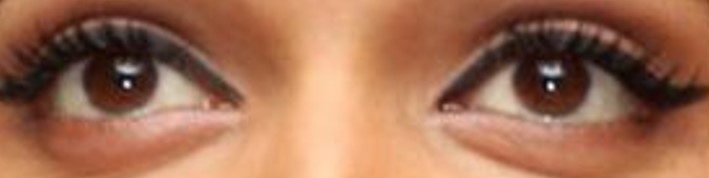
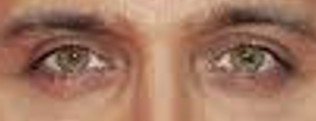
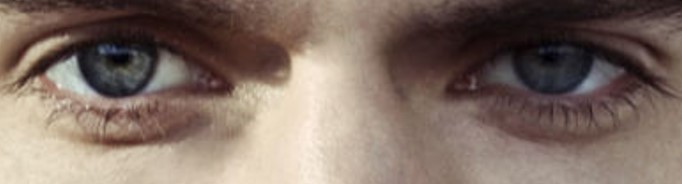
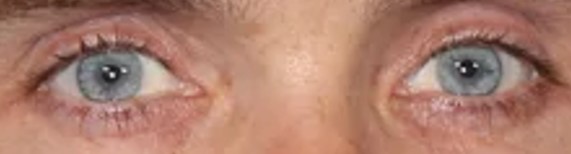
There is no large public collection of strabismus photos sorted by type, so we built one. We searched open-source image collections — Kaggle, GitHub and other public repositories — and handpicked photos where both eyes were clearly visible.
Each photo was cropped to the strip around the eyes and labelled with its class in CVAT, an open-source annotation tool. Shubh Garg and Dr. Debabrata Ghosh collected the photos; Madhav Arora and Bhumit Gupta labelled them, working through the set together, turn by turn.
The crop matters. The models only ever see the eyes, so they have to learn from how the eyes are aligned, not from faces, hair or backgrounds.
The dataset
517 photos in five classes
The classes are close to balanced: each has between 100 and 110 photos. Normal has slightly more, so during training every class was weighted equally, and no class could dominate simply by being bigger.
517
photos
5
classes
100–110
photos per class
Photos per class
- Esotropia100
- Exotropia104
- Hypertropia102
- Hypotropia101
- Normal110
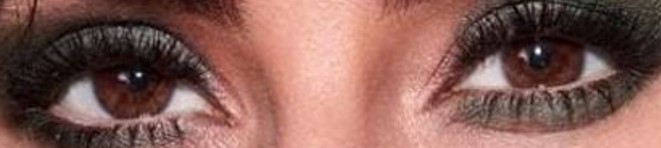
What the photos look like
Six from each class
Esotropia turns in
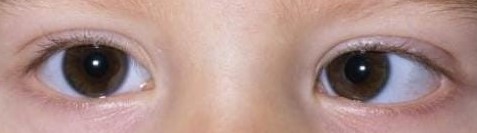
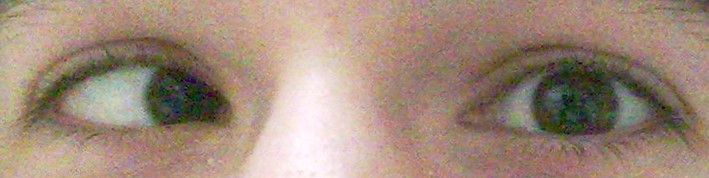
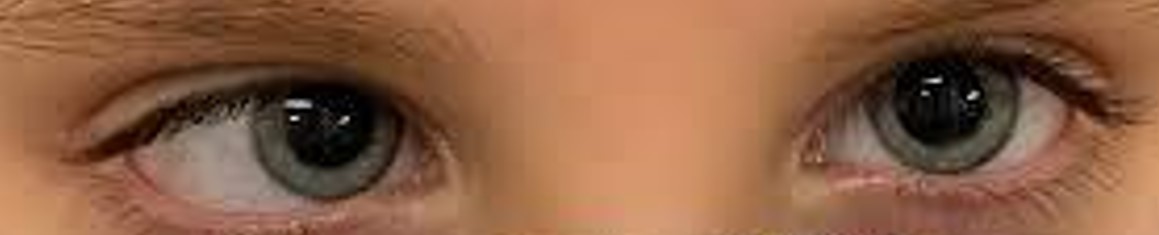
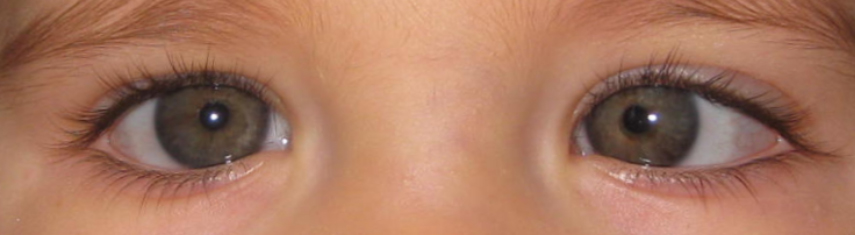
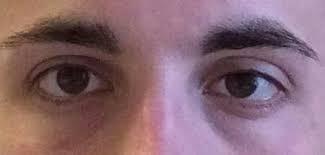
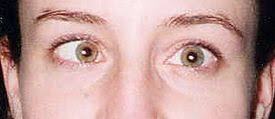
Exotropia turns out
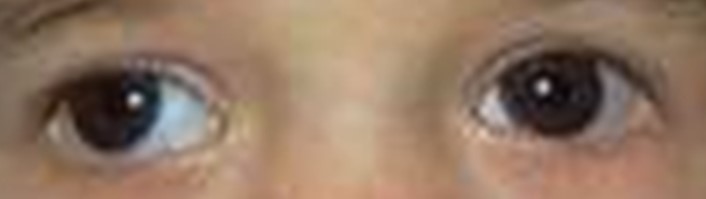
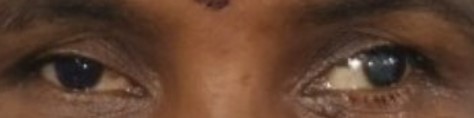
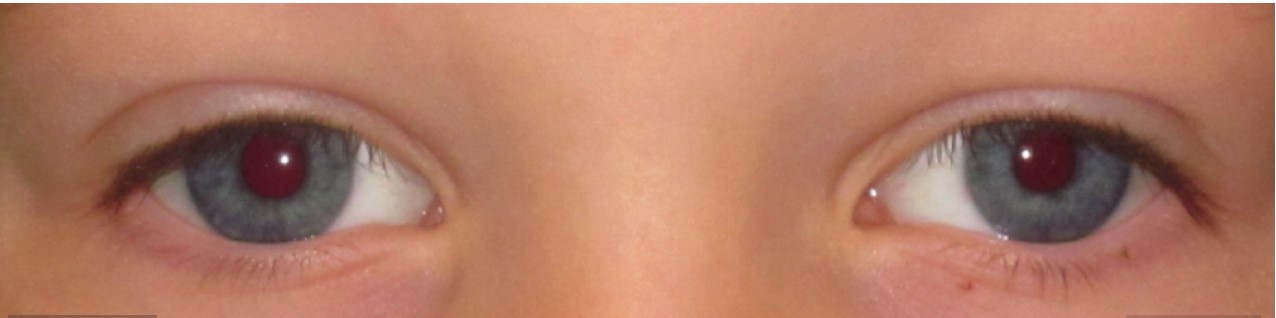
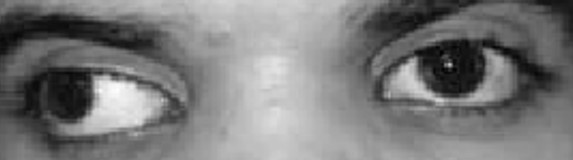
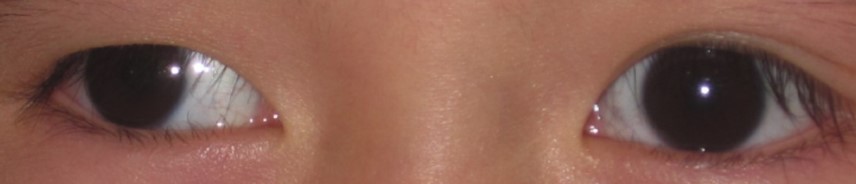

Hypertropia turns up
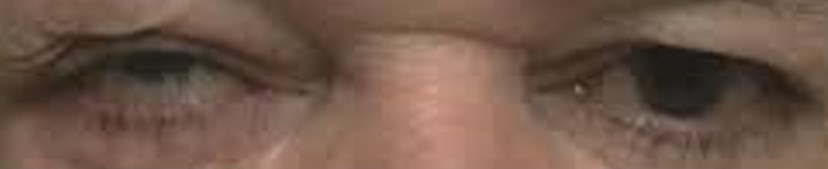
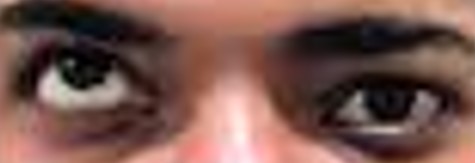
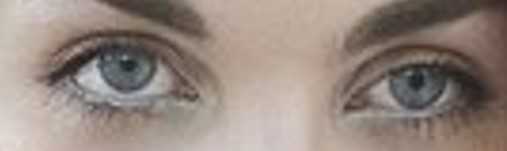
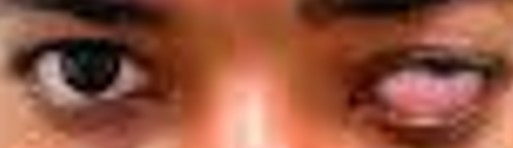
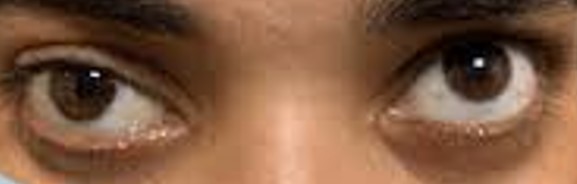
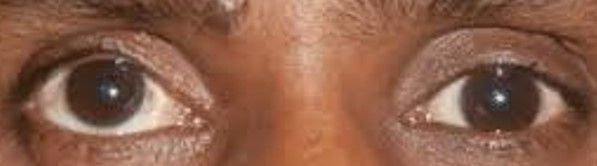
Hypotropia turns down
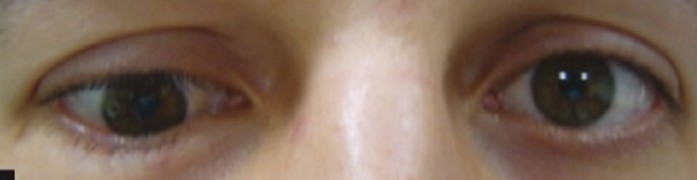
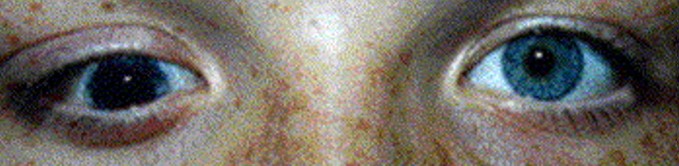
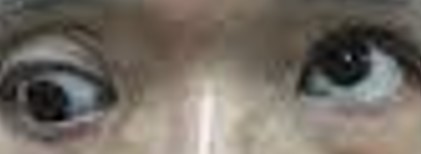
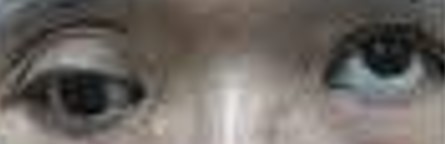
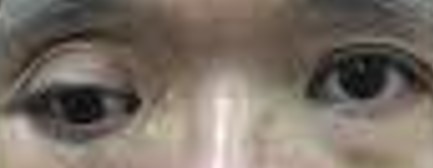
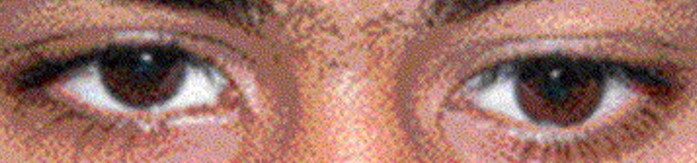
Normal aligned

Photos come from open sources and are shown for research use. If one of them is yours and you would like it removed, open an issue on GitHub.