Step 6 of 6
Strabismus Classes
Every photo ends up in one of five classes: four kinds of misalignment, or normal.
The five answers
Four kinds of misalignment, and normal
Every photo ends in exactly one of five classes. Four describe the direction a turned eye points; the fifth is a normal, aligned pair.
The best model found some classes easier than others. Hypertropia and normal eyes were the clearest, at 94% each. Hypotropia and exotropia were the hardest to pin down, at 75% and 76%.
EfficientNet-B7: test photos of each class classified correctly
From the paper's confusion matrix (Fig. 5)
- Hypertropia94%
- Hypotropia75%
- Normal94%
- Esotropia80%
- Exotropia76%
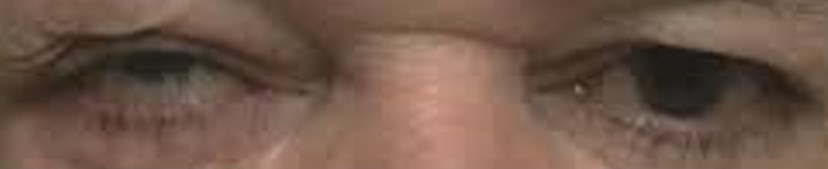
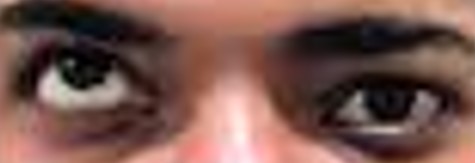
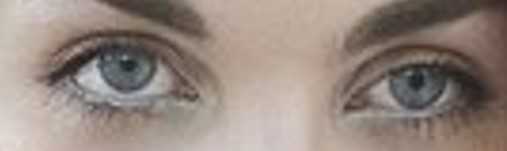
turns up
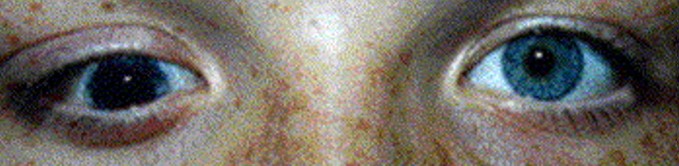
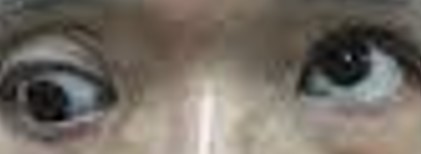
Hypertropia
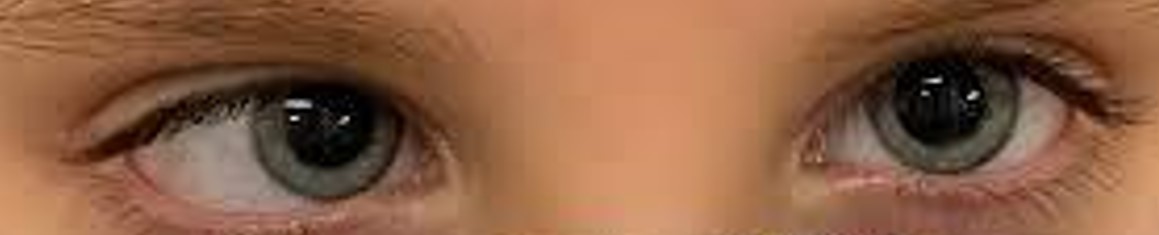
One eye sits higher than the other, so its line of sight points upward.
In hypertropia the turned eye points upward. In a photo, its iris sits higher in the eye opening than its partner's, often showing more white below it.
- Photos in the dataset
- 102
- EfficientNet-B7 got right
- 94%
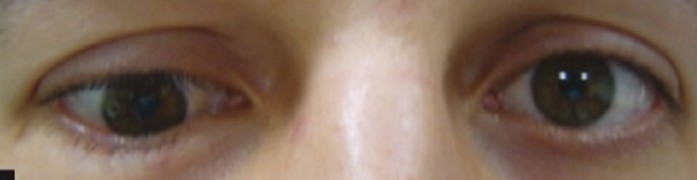
turns down
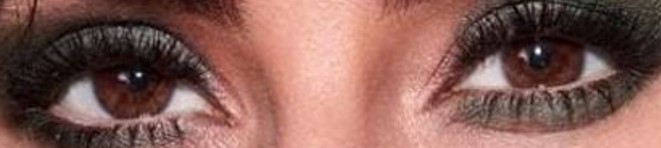
Hypotropia
One eye sits lower than the other, so its line of sight points downward.
In hypotropia the turned eye points downward. Its iris sits lower in the eye opening, and the upper lid may cover more of it than on the other side.
- Photos in the dataset
- 101
- EfficientNet-B7 got right
- 75%

aligned
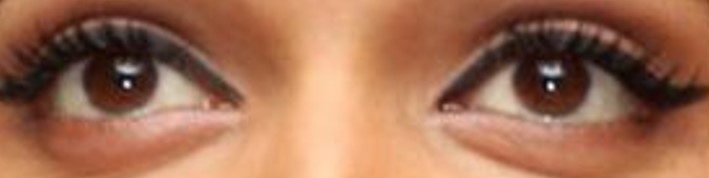
Normal
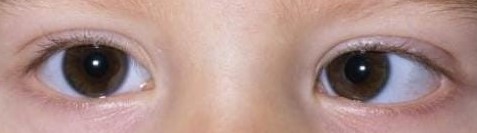
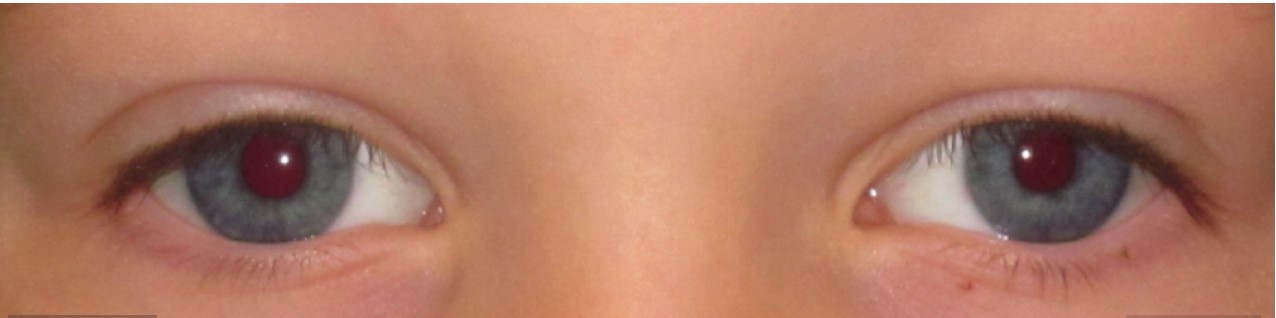
Both eyes point the same way, and a penlight's reflection lands in the same spot on each.
Normal is the reference the other four are measured against. A model has to learn what straight eyes look like just as well as it learns what a turn looks like, or it will see misalignment everywhere.
- Photos in the dataset
- 110
- EfficientNet-B7 got right
- 94%
turns in
Esotropia
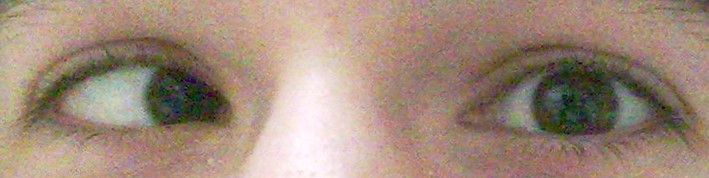
One eye turns inward, toward the nose, while the other looks straight ahead.
In esotropia one eye turns inward, toward the nose. It is the most common form in children, and it shows as extra white on the outer side of the turned eye.
- Photos in the dataset
- 100
- EfficientNet-B7 got right
- 80%
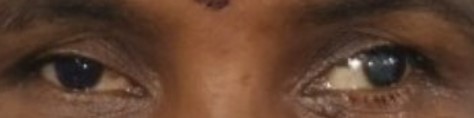
turns out
Exotropia
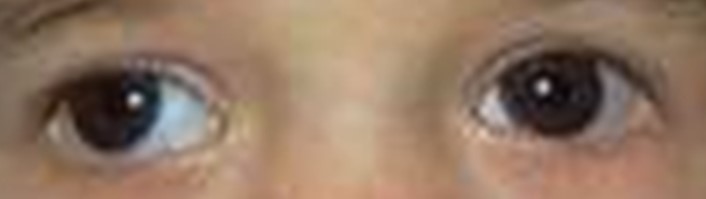
One eye turns outward, toward the ear, while the other looks straight ahead.
In exotropia one eye turns outward, toward the ear. It can come and go at first, showing mostly when the person is tired or daydreaming.
- Photos in the dataset
- 104
- EfficientNet-B7 got right
- 76%